ESG Trees – Sustainability Initiative
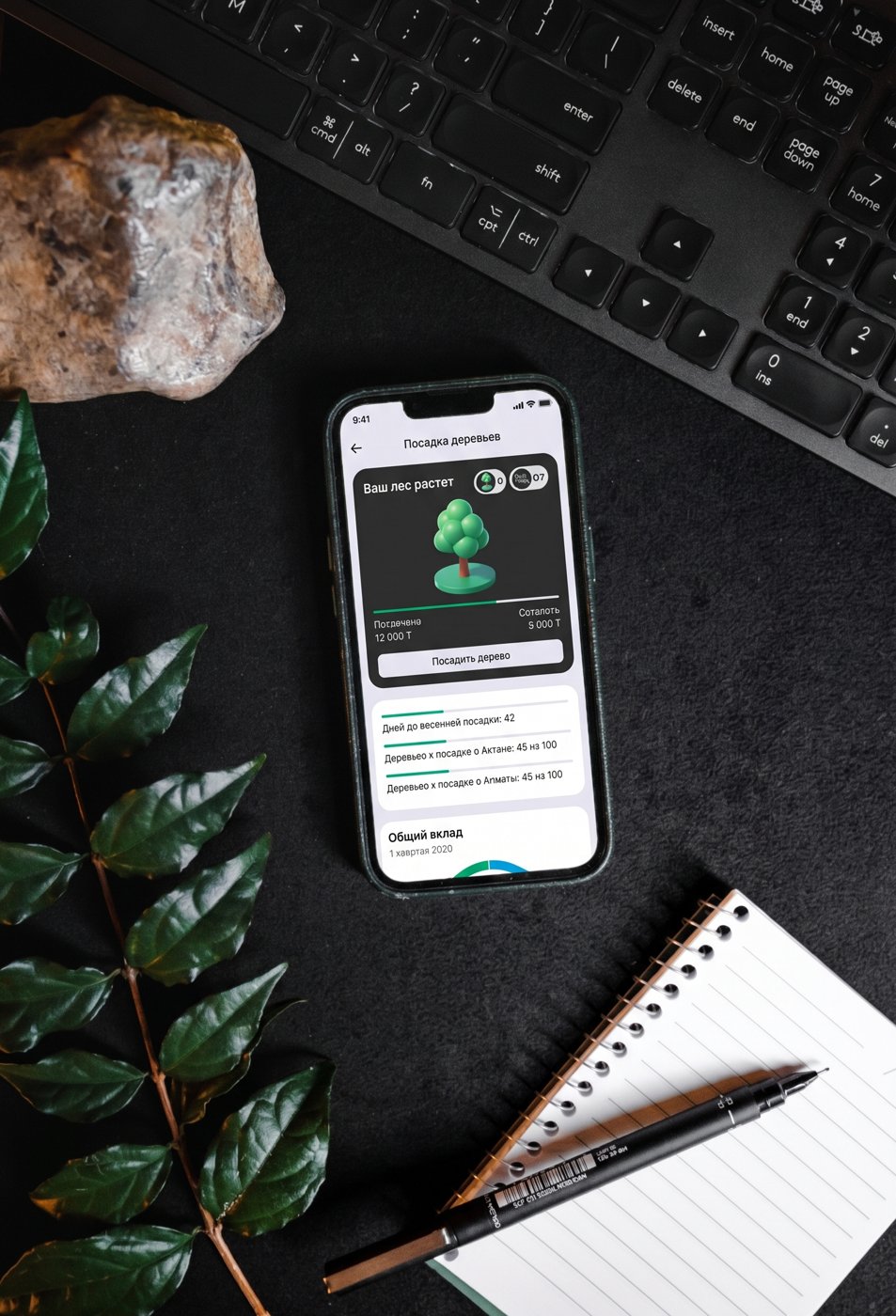
Designing a way for bank customers to plant real trees – directly from their banking app. Annual goal of 100 trees reached in ~6 weeks; 70% of donations from redirected cashback.
Context
Bank BCC launched ESG Trees — its first client-facing sustainability feature — to turn corporate climate goals into a competitive differentiator for client retention.
Task
Scope: I designed the feature from scratch, end to end: the donation flow, the Home widget, the planting report and the certificate.
Certificate: It wasn’t in the brief. I proposed a shareable certificate, it was approved, and ~7% of donors shared it.
Rollout: The feature went first to bank employees, then to the public.
What I learned by donating myself
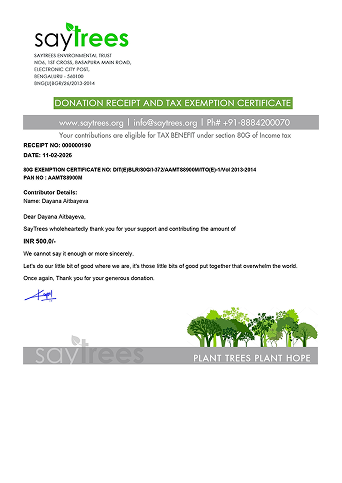
Before designing anything, I donated to a real tree-planting service myself. I paid, got a certificate, and that was it. I had no sense of what happened next: would the tree actually be planted, and where? What I did enjoy was being able to show someone the certificate.
That gave me three rules for the feature:
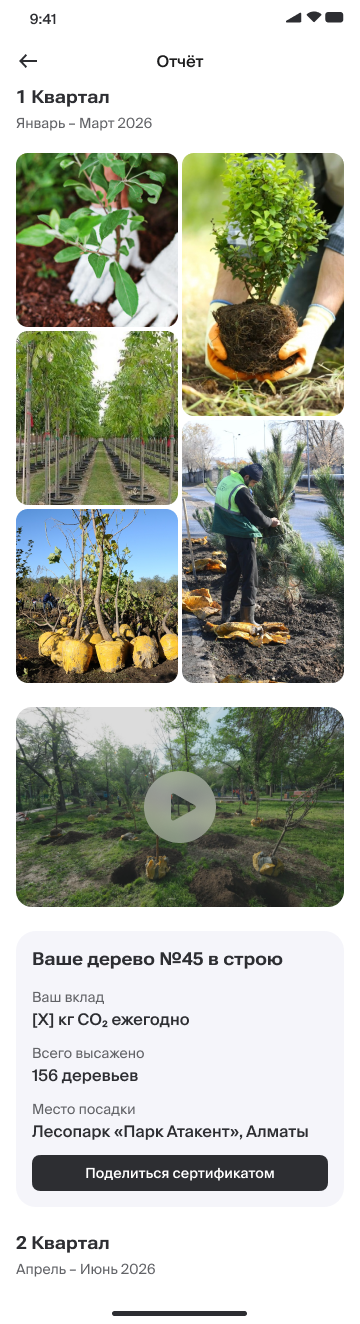
- Show what happens to the money. The Report uses real photos, not stock images, and a “not yet planted” status tells the user honestly where their tree is.
- Give people something to show. The shareable certificate came directly from this.
- Keep it concrete and short. The confirmation screen says where the tree will be planted (city), and the amount and number of trees are visible before paying. The flow is only a few steps, because my own donation felt too long. Instead of vague promises, the impact is given as a concrete figure (“your contribution is [X] kg of CO₂ per year”).
Hypotheses
Immediate Visual Reward: Visualizing donations with a growing-tree animation and aggregated city impact would turn an abstract contribution into a tangible, collective experience.
Frictionless Giving via Cashback: Using cashback instead of direct payroll deductions leverages the "found money" effect, lowering psychological resistance to donating.
Trust & Transparency: Incorporating real-world planting photos into reporting would bridge the trust gap caused by the delay between donation and actual tree planting.
Organic Growth & Social Proof: A shareable digital certificate would motivate continued participation through public recognition while driving free organic marketing within the user's network.
Job Stories
Architecture
Strategic Entry Points: Integrated directly into the Payments and Cashback pages to capture user intent on impulse while checking balances or completing transactions. The Homepage was deliberately excluded: since nearly every team pushes for homepage placement, avoiding it protected the existing information architecture and prevented cognitive overload.
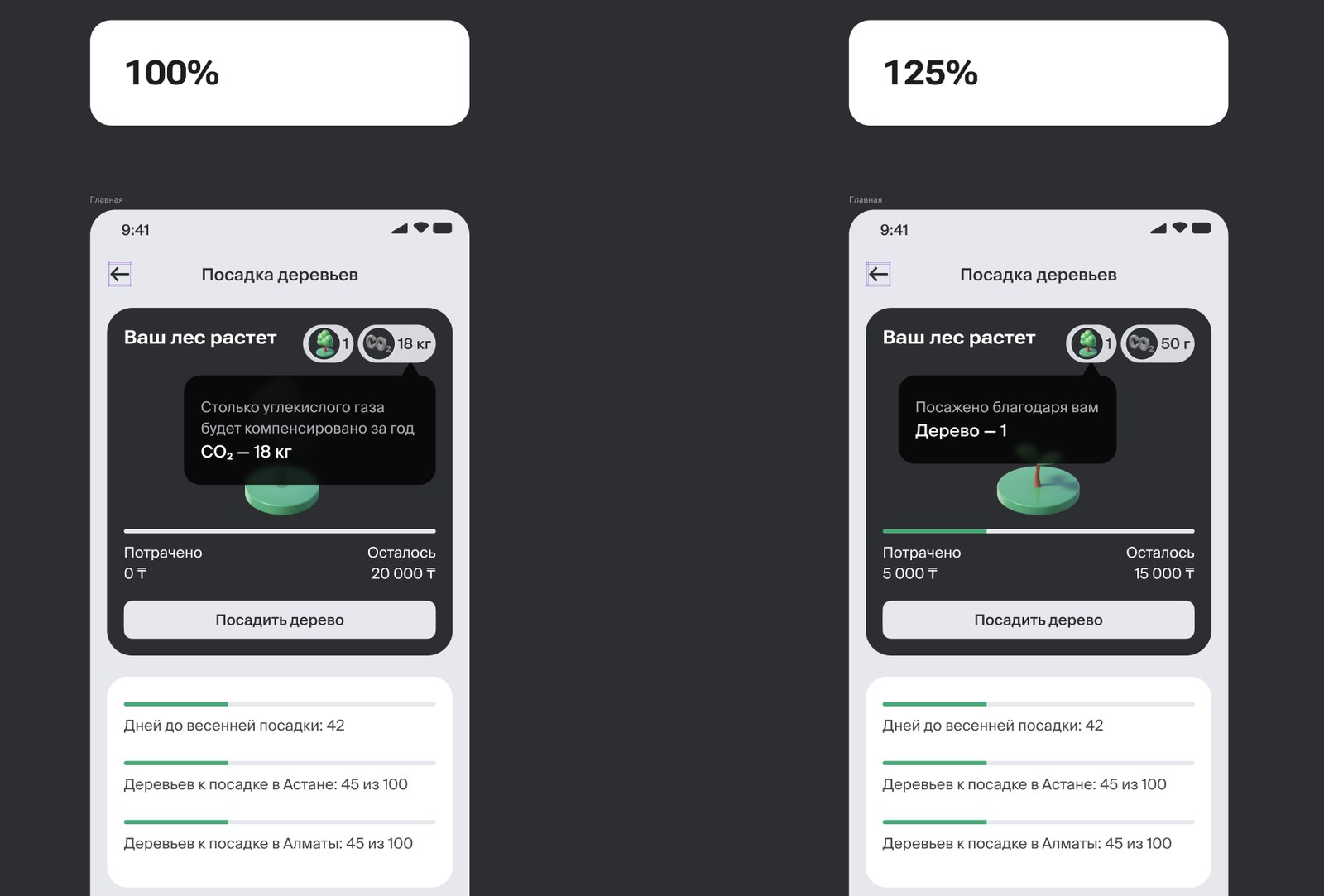
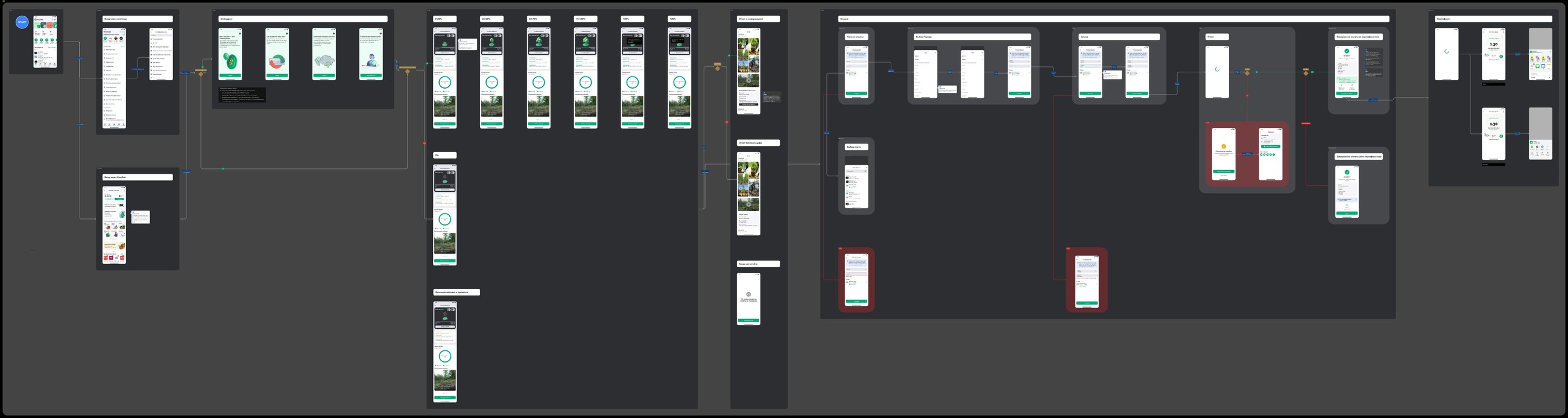
Onboarding & Widget States: First-time users are greeted with a one-time Stories-format explainer. Afterwards, an ESG Home widget tracks progress toward the next batch of trees, shifting visual states as funding accumulates. Tapping it opens a Report view featuring real photos (or a "not yet planted" status).
Donation & Reporting Logic: The standalone flow lets users pick a city, enter an amount, and finish with a success state and shareable certificate. Impact reporting is scoped quarterly because two cities don't generate enough data yet for a finer-grained view.
Concept
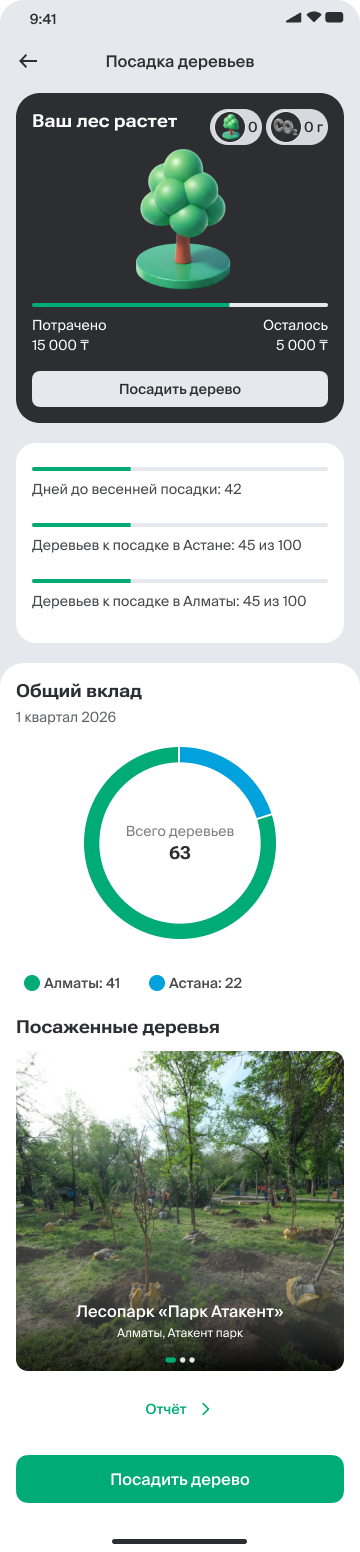
- Design system and custom parts: Built on BCC’s design system, with custom components only where the feature needed them: the growing tree and the planting-report grid. A sustainability feature inside a banking app should still feel like the bank.
- Growing tree: The tree is the reward for giving, so it had to feel alive. I generated the growth stages with AI image tools and used them as the final assets. That let me test several stages within days, without commissioning a 3D artist or inflating the budget.
- City ring: A ring shows each city’s share of the trees planted, so users see at a glance how their own city is doing against the others. I wanted a sense of friendly competition that encourages people to plant more trees in their own city, which a plain list of numbers wouldn’t give.
- Photo grid: Real photos are the proof that money became trees, so the report shows them as a documentary grid, not a decorative gallery. Users can scan many real photos at once, and the “not yet planted” state stays honest instead of using a stock image.
Results (first 8 weeks after full rollout)
- Annual goal hit in ~6 weeks: planting starts only once funds for 100 saplings are collected, and that threshold was reached in about six weeks; ~150 trees (≈3M ₸) were funded within two months.
- First planting unlocked: the first 100-tree batch in Almaty and Astana goes into the autumn 2026 planting, started by partners once the funds were collected.
- Cashback drove most giving: ~70% of donations came from redirected cashback; the rest came from clients’ own funds, paid through the charity section.
- Organic ESG reach: ~7% of donors shared their planting certificate on social media.
- Fast delivery: shipped with ~2 weeks of front-end work and validated with BCC employees before public launch.
A personal note
To understand the experience from the donor's side, I personally researched and donated to a real tree-planting service – one based in India – routing the payment through two intermediaries myself, since the service only accepted Indian rupees. Going through that friction firsthand made the trust and transparency questions in this project feel less abstract, and more like something worth designing carefully for.
I couldn’t measure trust directly, so I used sharing of the certificate as a proxy (~7% of donors shared it). That shaped how the work was approached: several additions, like the shareable certificate, were my own initiative and not part of the brief. Since success here couldn’t be measured by conversion, I looked for moments that could build trust.